
Wine. Again. Naturally.
Wine. Again. Naturally.
Natural wine isn’t a fad, it’s a throwback: “nothing added, nothing taken away.” With up to 74 unlabeled additives allowed in conventional bottles, drinkers are flocking to small producers and “minimal-intervention” winemaking. From Beaujolais roots to regenerative vineyards in Italy, this is wine unplugged.
By Jeff “Wick” Wicklund
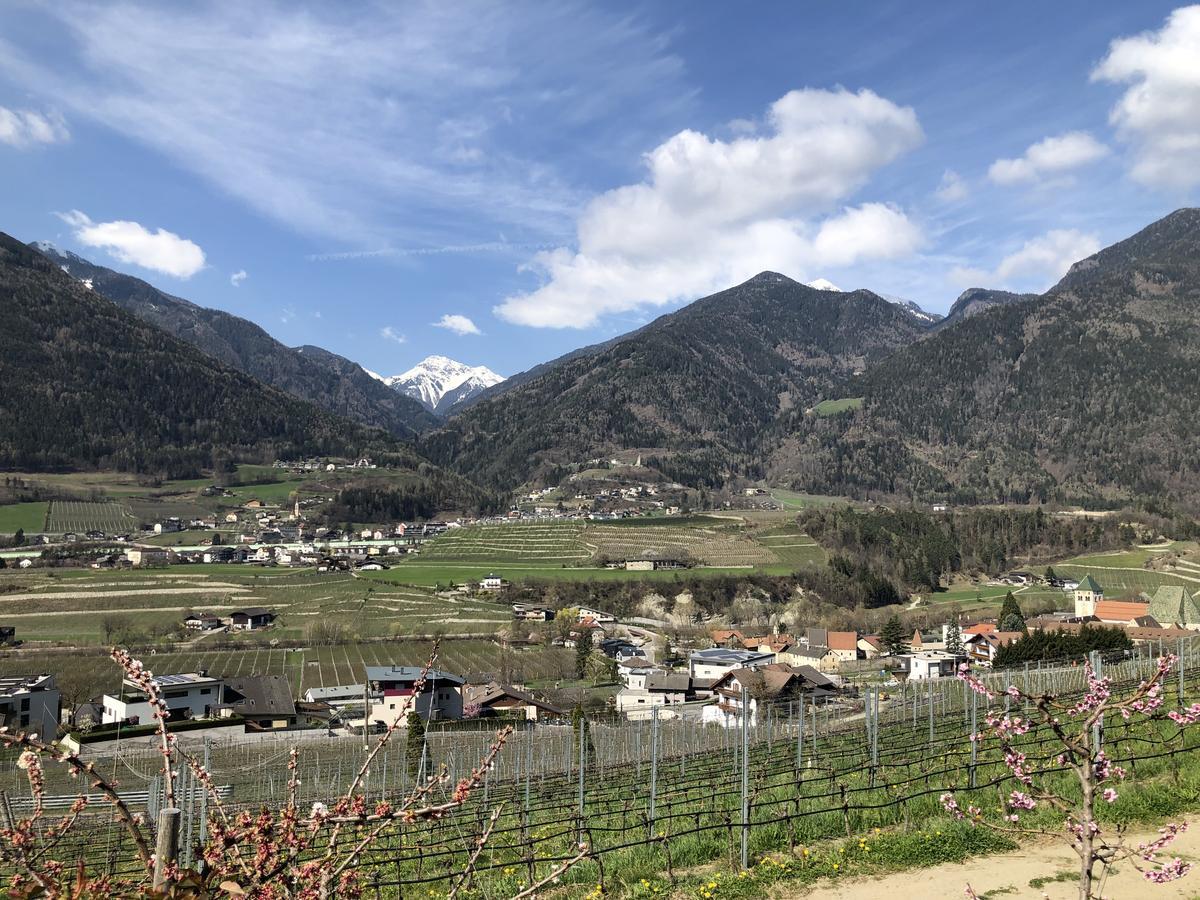
Natural wine, or “natty juice” as the cool kids like to call it. What is it? I’ve been asked this question so many times over the past couple of decades, and typically with the obligatory “air quotes.” My general response has been to identify it as a rapidly growing sector of the global wine industry and then delve into a historical discussion dating back to the 1960s and a group of winemakers from the tiny village of Morgon in the Beaujolais region of France.
My understanding is that these pioneers, affectionately known as the “gang of four,” led by Marcel Lapierre, were simply trying to retrace the ways of their grandparents and generations before, when pesticides, synthetic chemicals, and other additives were not available.
The article continues below.

The truth? I really can’t pigeon-hole it. This phenomenon has become so much more than a fad, and to me, it has always seemed like a redundancy. How does natural wine fit in or overlap with sustainable, organic, or biodynamic farming and winemaking practices? The facts are that there is no single, official, universally recognized certification for natural wine.
So, without a real uniform definition of natural wine, there is a general understanding of the principles of its production. Simply put, unadulterated fermented grape juice!
Wine, or any form of alcohol for that matter, at its origin had to be natural. Was it a Neanderthal or some other prehistoric human who stumbled upon a beehive after rainfall and thought it would be a good idea to drink the bubbling elixir, and then thought it a better idea to continue?
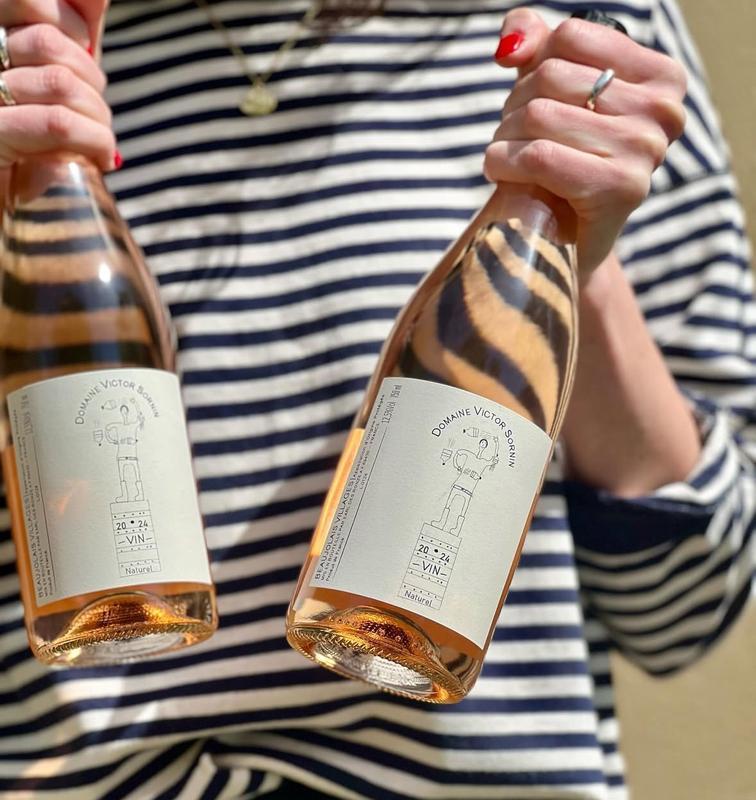
When you take into account the entirety of wine production globally and winnow it down to somewhere in the neighborhood of natural wine, the first obvious elimination can come from what I call “refinery wineries.” The industrialization of wine production is truly the antithesis of natural wine. “McWine,” as I also fondly refer to the mass production of formula-driven wine, does, however, account for the vast majority of consumption.
Remember when Two Buck (or however many Bucks it is now) Chuck burst onto the scene decades ago? I remember thinking, “Perfect! Another gateway to expand the consumption of wine.
If there is one thing that everyone in the wine industry can agree upon, it’s that we all want to expand the consumer base.
I thought it prudent to ask a professional in the wine industry for her thoughts on natural wine. “First off, I’ve determined to abandon the term ‘natural wine’ in favor of ‘minimal intervention wine’ in describing these wines that we represent in our portfolio,” said Janet Beeby of Vinea Imports and professional Wine Educator. “Our business model is anchored in the belief and support of small, independent producers globally who adhere to the principles of minimal intervention, which to me means simply nothing added and nothing taken away in the process. There can be up to 74 additives that are currently allowed without being required to put them on the label.
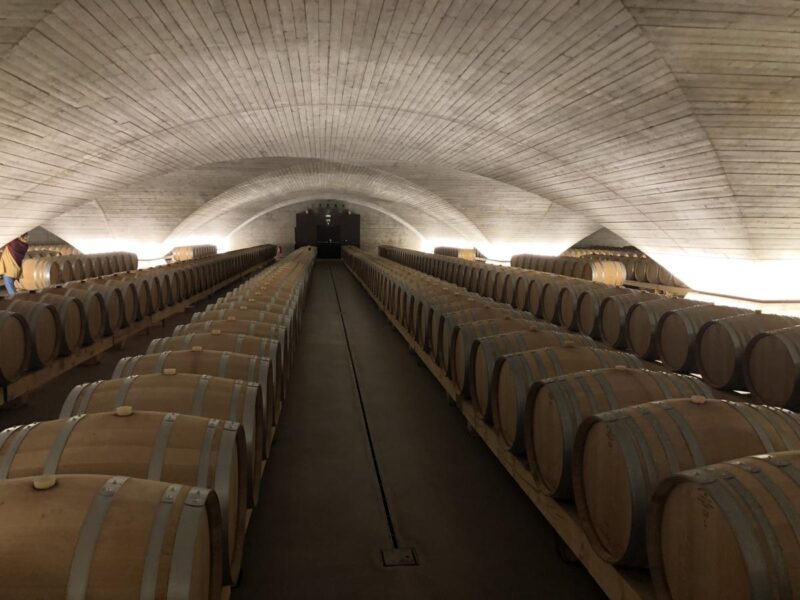
The Whole Foods shoppers who are interested in organic products without chemicals added are gravitating to minimal intervention wines.”
On a recent trip to Northeast Italy, I saw firsthand the implementation of natural (minimal intervention) wine growing and production. I visited many multi-generational vineyards and wineries that know the importance of cultivating healthy, regenerative soils in the vineyards for future generations. I witnessed an unbridled passion to continue what their forefathers began in the wineries and cellars, which made me think, “Back to the Future.”