Snohomish Soccer Community is “United” for the World’s Beautiful Game
Snohomish Soccer Community is “United” for the World’s Beautiful Game
Long before the World Cup arrives, soccer has been shaping Snohomish, from youth leagues to the rising Snohomish United program. With new teams, national-level players, and plans for a regional stadium, momentum is building. It’s a community united by the game and what it can become.
As the world’s eyes turn to Seattle and Vancouver, one Pacific Northwest river town keeps popping up—punching above its weight
By Richard Porter for Discover Snohomish County
Kickoff
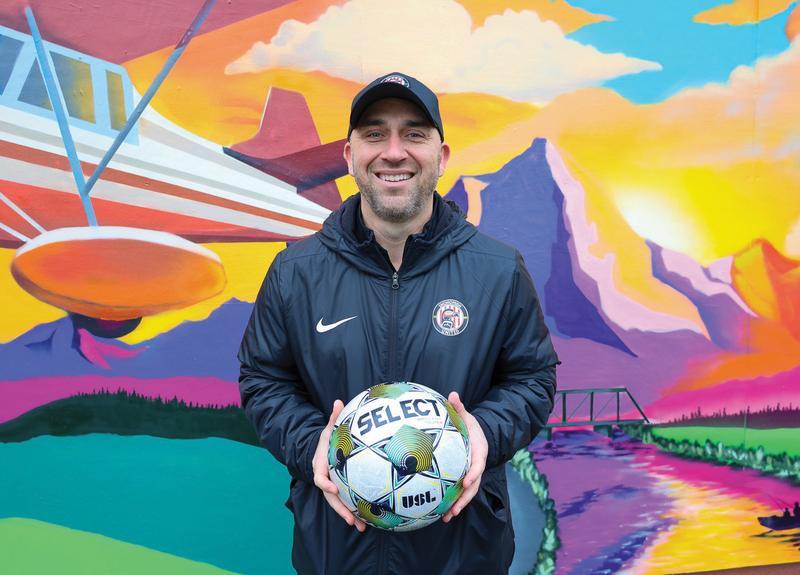
Decades before he was assistant coach to one of the region’s top USL-2 soccer teams, Anthony Sardon was, first and foremost, a superfan.
The year was 1994.
The World Cup came to the Rose Bowl in Los Angeles. Sardon, an 11-year-old California boy, was front and center for the action. He was one of 3,587,538 fans in nine cities across the U.S. present to see the world’s “beautiful game” unfold in dozens of matches from sea to shining sea.
“The hair on the back of my neck stood up,” said Sardon of his boyhood conversion experience at the Rose Bowl.
“The World Cup crowd’s energy is a completely different noise level or frequency. Winning meant so much to these countries.”
The article continues below.

Sardon took that energy home and acted it out, play by play. “I’m in the back yard and pretending I’m part of the game. I’m reliving the matches through a huge amount of VHS tapes and mimicking moves of my heroes.” Ruling the pitch that year was Roberto Baggio, an Italian forward, nicknamed Il Divino Codino, or “The Divine Ponytail” for his trademark ponytail/mullet combo.
Young Sardon was impressed at how nations from all around the globe could be united through sport. He marveled at how the act of donning a favorite player’s jersey imputed powers to average Golden State kids in neighborhood pickup matches.
For Sardon, soccer was an opportunity to grow and become disciplined. He still believes in the transformative power of youth sports to teach skills and mold adolescents into great citizens, business owners, politicians, artists, and teachers.
“What are you going to do on a bad day?”
The year was 2004.
Anthony Sardon played as a defender for Seattle University, propelling the Redhawks to the 2004 NCAA Division II National Championship. Sardon helped SU achieve an 120-60-10 record (.658) as both a player and later an assistant coach. During his time as a player, Sardon helped the Redhawks to four consecutive GNAC conference titles, playing as a defender.
This was the era in which he learned an important lesson: being good at sports is hard.
Today, Anthony Sardon is assistant coach for Snohomish United, a USL-2 team that’s making waves in the regional scene for their top-rated players. He knows how to prepare his team for hard work.
“When you’re assessing an athlete, you’re looking at the whole player: the technical, tactical, psychological, and social elements. There’s the hardware – can they sprint, score goals, execute a flawless pass? Then there’s the software – the mental side of the game. You can’t coach the same for everyone, but you can hold them to the same standards and hold them accountable.”
Today, Sardon holds the players of Snohomish United to a high standard.
Sure, they’re good players, but can they optimize their diet? Hold down their school grades? Get enough sleep to perform on the pitch?
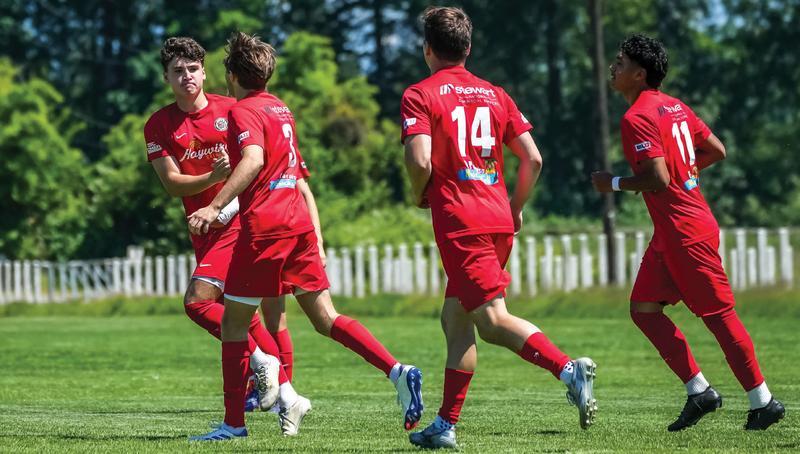
“There will be times when you doubt yourself. It’s going to be hard in USL-2 and USL. The question is ‘how can I get better and how can I make everyone else on the team get better.’ You have to think correctly under pressure.”
“What are you going to do on a bad day?”
To hear Anthony talk about coaching, it seems that character is the root of talent. That would be difficult to disagree with.
A Community, United
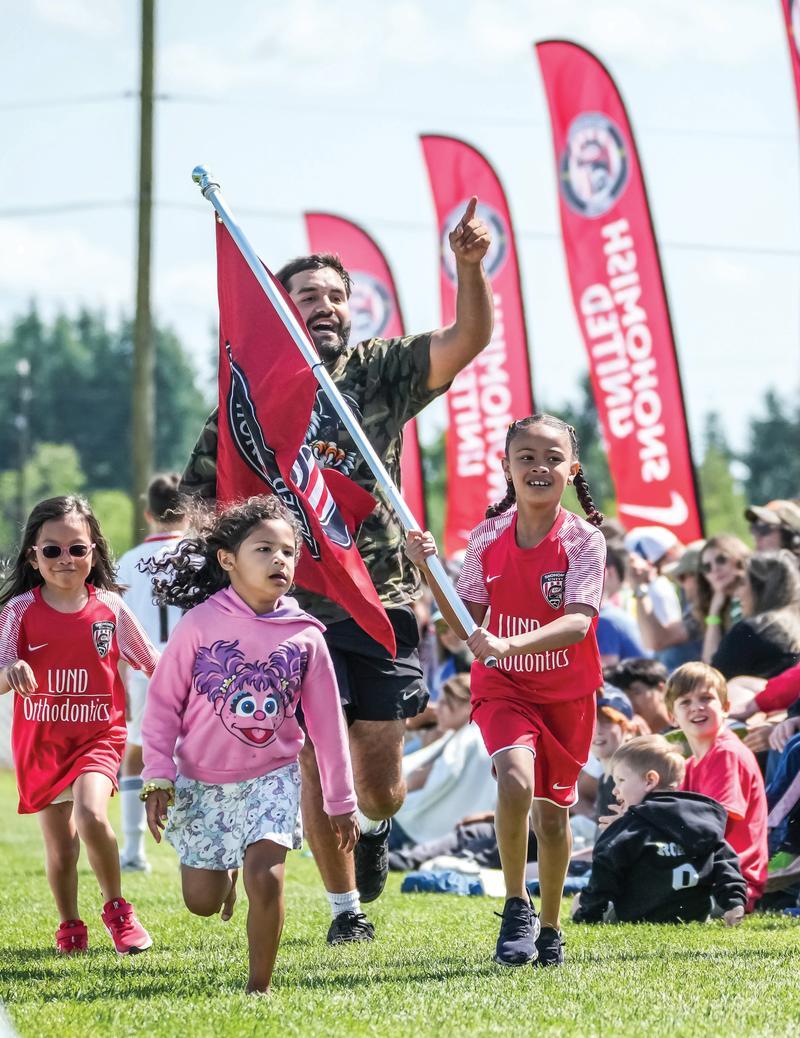
The origins of the Snohomish United soccer club are a bit fuzzy, though they probably reach back to the 1970s. Nobody apparently kept good records and sometimes a photograph or document will randomly pop up and push the timeline back a few years. It’s clear that soccer has been a big deal for this small riverside town for a long time.
The city’s Bigfoot Tournament weekend brings in 10,000 attendees annually. Soccer families-as-tourists drive the biggest weekend in downtown Snohomish sales – hard, economic proof that sports are good for small town businesses. After all, the athletes have parents and grandparents and they all need to eat, drink, lodge and play. Which is great news for Snohomish business owners.
“We want our local community to wear a Snohomish United jersey with pride,” said Sardon.
He envisions a community where players rise through the ranks from four years old to the majors, actively coached and developed by a soccer staff dedicated to fostering regional talent.
Indeed, the Snohomish soccer ecosystem seems to be growing exponentially. This year marks the beginning of the Snohomish United’s USL-W team, an all-women league featuring the top female players in the region, like Anna Babcock who is a U.S. U-17 Women’s National Team player and 2024 FIFA U-17 World Cup participant.
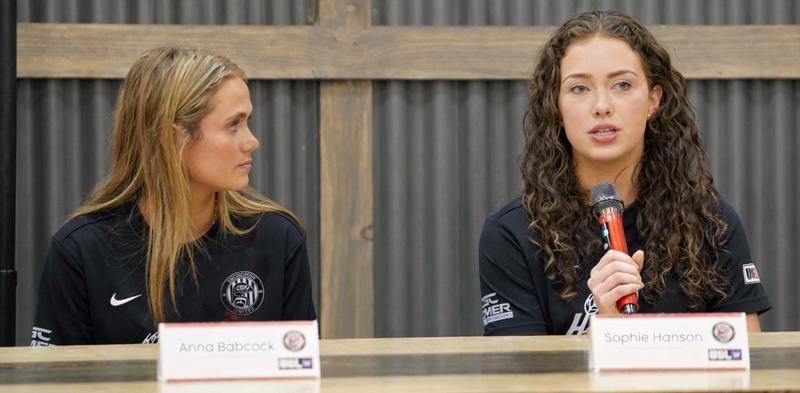
The Snohomish United recently had two players drafted to Major League Soccer: Connor Lofy from the University of Washington and Yeider Zuluaga, hailing from Sardon’s alma mater, Seattle University.
Looking to the future, the Snohomish-area ecosystem is anticipating the opening of a potential stadium in Downtown Everett. Word is that there will be a USL team based out of the stadium. This will create a “pipeline” of sorts: kids from Snohomish can make a USL-2 team, transfer to a USL team in Everett, and from there be drafted into the MLS.
Starting in 2028 the USL will be implementing a “promotion and relegation” system, mimicking the rules long in place in the world of European soccer. Promotion and relegation is a system where teams can move between different divisions based on their performance during a season.
Long story short: a new Everett team could be a big level-up for soccer in Snohomish County, a conveyor belt taking kids in first grade all the way to the majors. And along the route will be coaches like Sardon, honing local talent.
Almost Like a Symphony
This year the World Cup will bring 750,000 visitors to Snohomish County. And it has the potential to create hundreds of future local soccer stars, inspired by the world’s favorite sport. Like an 11-year-old Sardon, there are youngsters in the Pacific Northwest who will have their conversion moment this summer.
“Soccer is called ‘the beautiful game’ because it’s nuanced. Eleven players, one goal, a community. There’s a rhythm, a brilliance. There are tactics… it’s almost like a symphony,” said Sardon.
“We’re stakeholders and taking advantage of this time period. Kids who watch this World Cup will remember this moment. They might be playing on a global stage in 15 or 20 years.”
Today it may look like kids are playing soccer in the damp grassy backyards of Snohomish County. But look closer: there’s a future-focused gleam in their eyes.
Snohomish is a community “United” for the world’s beautiful game, today and tomorrow.