
Art as Salve: The Medicinal Benefits of Creative Spaces
Art as Salve: The Medicinal Benefits of Creative Spaces
Explore how Snohomish County’s creative spaces are fostering connection and wellbeing through art. From the Schack Art Center’s accessible exhibits and youth-focused Art Alternatives program to Cascadia Art Museum’s preservation of Northwest art and welcoming programs for students, artists, and people with dementia, these institutions offer meaningful ways to create, learn, and belong.
The Schack Art Center and Cascadia Art Museum are among the many creative destinations in Snohomish County delivering a dose of wellness through artistry.
By Nick Shekeryk for Discover Snohomish County
The digital age continues to innovate the way we gather information and connect with others. The rapid rise in technological advances gives us unprecedented and endless access. All the things. All the people. All the time.
The vastness of our virtual footprint brings us together in many ways, but it often comes at the expense of our collective connection to the physical world. When combined with the countless lingering impacts of the COVID-19 pandemic, the result can be profound social isolation and loneliness.
According to the World Health Organization Commission on Social Connection, loneliness affects one in six people around the globe. What’s more concerning is that loneliness is linked to 871,000 deaths per year. It’s even recognized as a public health epidemic. Despite all our digital connectedness, it’s possible that we’re living in the loneliest time in human history.
Solving our widespread loneliness seems like a job best suited for medical and mental health professionals. And while the experts certainly have a hand in curing loneliness, some of the heavy lifting as of late is attributed to the arts.
Just what the doctor ordered
What role does art play in inching us toward the end of the loneliness epidemic? It’s becoming increasingly clear that each paintbrush stroke, music note, or dance rehearsal has the power to heal the mind, body, and soul. But don’t take my word for it. Consult the experts.
A growing phenomenon in clinical practice is prescribing art to improve mental and physical wellbeing. Art is one of five activities – including movement, nature, belonging, and service – clinically proven to improve overall health and boost moods while also reducing depression and anxiety. It also plays a key role in reducing the impact of conditions like ADHD, addiction, and dementia. Art and its activity-related counterparts have even been known to help relieve pressure on healthcare systems by getting people out of emergency rooms and into safe, connected spaces.
If the thought of prescribed creative expression seems daunting, fear not. Prescribing art is for everyone – whether you’re into creating or appreciating art. So go to the cinema, grab a bucket of popcorn, and watch that film you’ve been wanting to see. It might just be exactly what the doctor ordered.
Snohomish County thrives at the intersection of art, innovation & wellness
Snohomish County sprawls more than 2,000 square miles between the Salish Sea and Cascade Range—but inspiration is never far away. Whether it comes from our fertile farmlands, vibrant urban hubs, or historic towns forged by riverscapes, the creative energy in Snohomish County is as vast and diverse as the land and its inhabitants.
It’s a place where people think differently. It’s a place where people are passionate about creating, interacting with, and facilitating art. This robust creative ecosystem lends itself to needing art spaces—and the county has dozens of prominent museums, galleries, cultural centers, and community arts organizations that allow the arts to flourish.
We’ll explore two of the county’s most coveted art institutions—the Schack Art Center in Everett and the Cascadia Art Museum in Edmonds—to discover some of the ways in which they contribute to the health and wellbeing of Snohomish County.
Schack Art Center
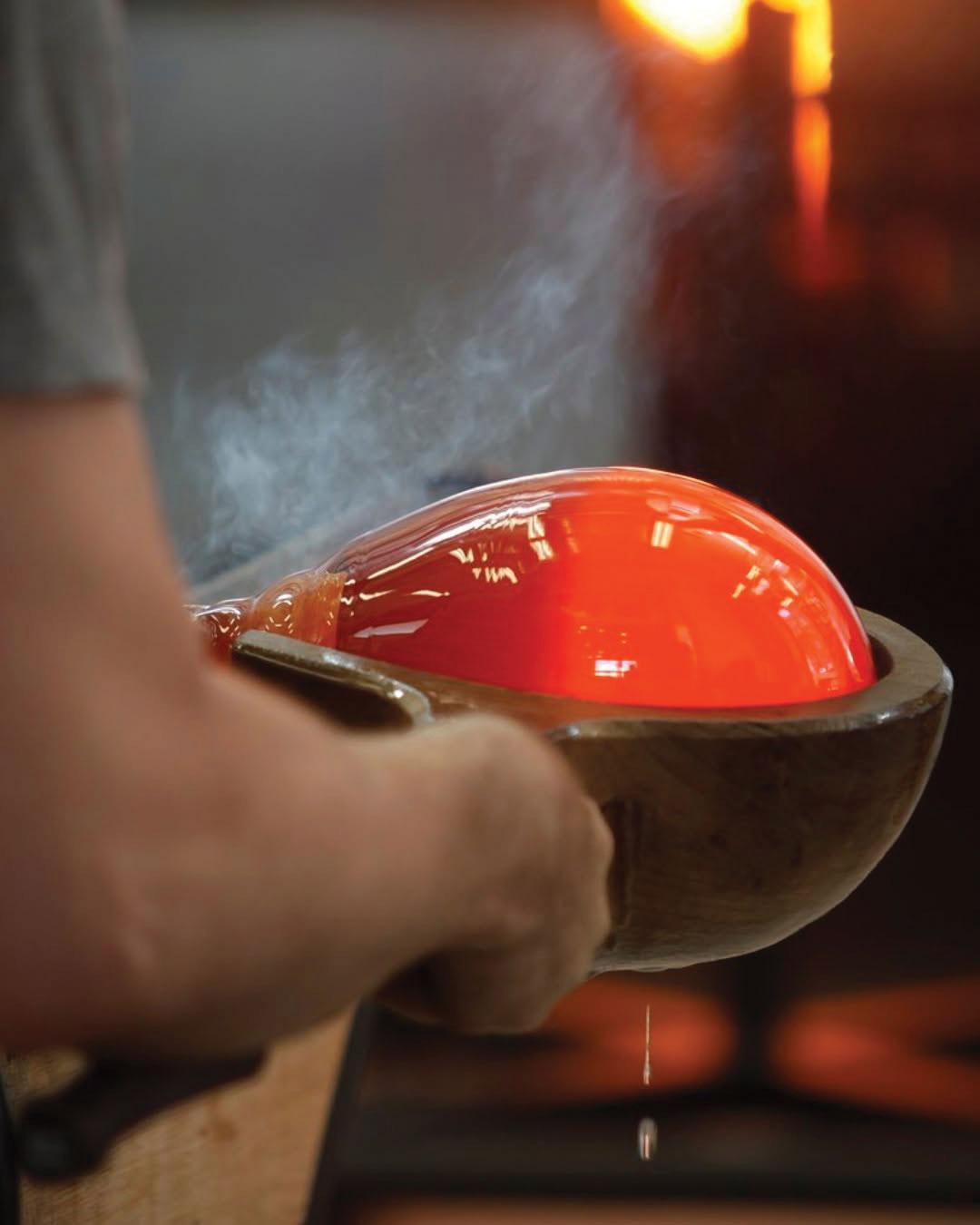
The history of the Schack Art Center bringing accessible art to Everett dates back more than 50 years. Since 1974, this nonprofit art center has been a cultural hub featuring contemporary exhibits, youth programs, community art classes, a gift shop, and a world-class glass-blowing hot shop that’s open to the public.
The Schack is a grant-funded, community centric art center with an admission-free model that invites 100,000-plus visitors into the world of visual art each year. It facilitates group art experiences, studio space rentals, educational opportunities, and even hosts the annual Fresh Paint Festival which allows audiences to interact with artists and art during the creation process. The Schack also partners with several local organizations that prioritize and promote the positive impact of art on marginalized and underfunded communities.
The article continues below.

“The arts are part of the health infrastructure of a community,” said Executive Director Raedle Alburn. “A huge part of our mission is identifying groups that we can serve with our programs. Groups we know will really benefit from leveraging the power of art.”
Alburn was appointed as the center’s executive director in April 2026. She previously managed community outreach and educational programs as the center’s Director of Development and Education. Alburn’s passion for promoting accessibility and belonging in the arts fuels her vision for the Schack’s present and future.
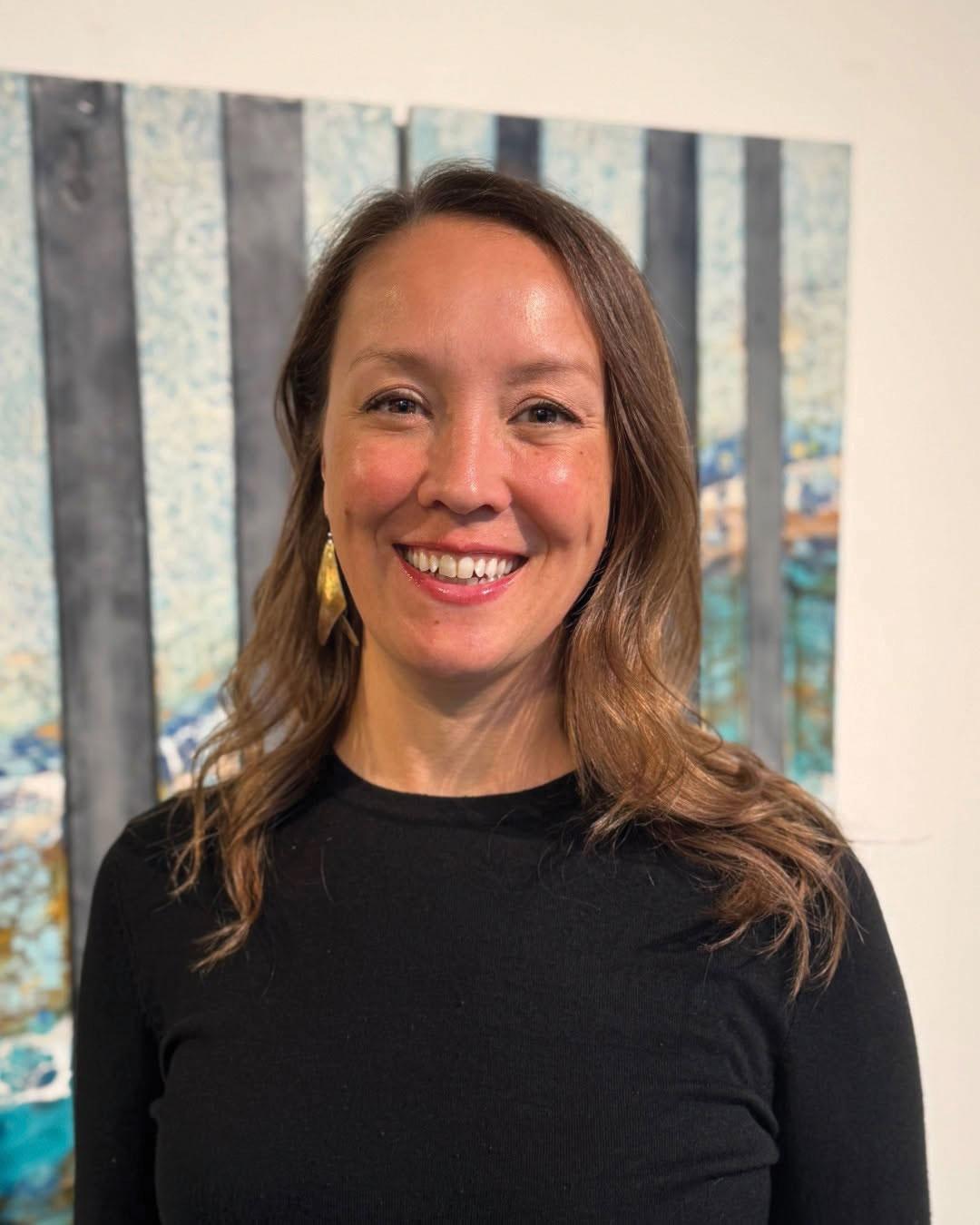
“That feeling of safety and freedom, and security that comes in the arts classroom—I’m passionate about what the arts can do for bringing that sense of belonging to more spaces,” said Alburn. “The Schack is a larger representation of that. It creates that feeling for our community.”
Among the Schack’s biggest contributions to positivity in the community is its Art Alternatives program. This diversion program provides weekly visual arts classes and outreach efforts to at-risk, incarcerated, and homeless youth in Snohomish County.
“Our goals are relationships, skill building, and recognition that’s meaningful to the kids,” said Art Alternatives Coordinator Henri Wilson. “A lot of kids don’t have an entry way into art or positive expression, so we offer access to other possibilities.”
Wilson has been with the Schack for more than 30 years. She helped start the program in 1991 and has been instrumental in its continual development. The program aims to increase protective factors by creating environments that offer youth exposure to connections with trusted adults, meaningful community engagement, and tools for building constructive emotional regulation. Wilson uses a variety of mixed media to lead process-oriented projects that focus on mindfulness and positive brain activity.
“We want to help these kids become more civically engaged and to get on the path that leads to a healthier life through art,” said Wilson.
Amid the success of Art Alternatives, the program faced a major setback when massive cuts to federal arts funding threatened to end the program this year. However, it received a lifeline when the Schack became one of 10 organizations in Washington state to be awarded $515,000 for creative youth development from the Allen Family Foundation. The much-needed funding directly supports Art Alternatives in areas such as staffing, supplies, and the continuation of its alumni program and associated paid teaching assistant position for a former program member.
The funding secured from the Allen Family Foundation has given new life to Art Alternatives, but it’s just the beginning of more great things to come for Alburn, Wilson, and the Schack. And it will take many hands from the arts community and beyond to make measurable progress.
“I would love to see our community and policymakers make funding for the arts a priority,” said Alburn. “Investing in the arts is an investment in not only art, but also public health. It builds economic vitality and makes Everett a place where people want to live and be engaged. The Schack is fully committed.”
Web: Schack.org
Social: @schackartcenter
Cascadia Art Museum
Since 2015, Cascadia Art Museum has brought critical focus to the visual art and design traditions of Northwest art for the period of 1870-1970. The museum aims to shed light on the artistry of women, minorities, and other marginalized peoples who have contributed to the region’s vast cultural identity.
“There’s so much richness and uniqueness in Northwest art,” said the museum’s Marketing Manager, Sydney Kaemmerlen. “An important part of our mission is not only displaying amazing works of art, but to explore the stories and impacts of our region’s artists and preserve their legacy for future generations.”
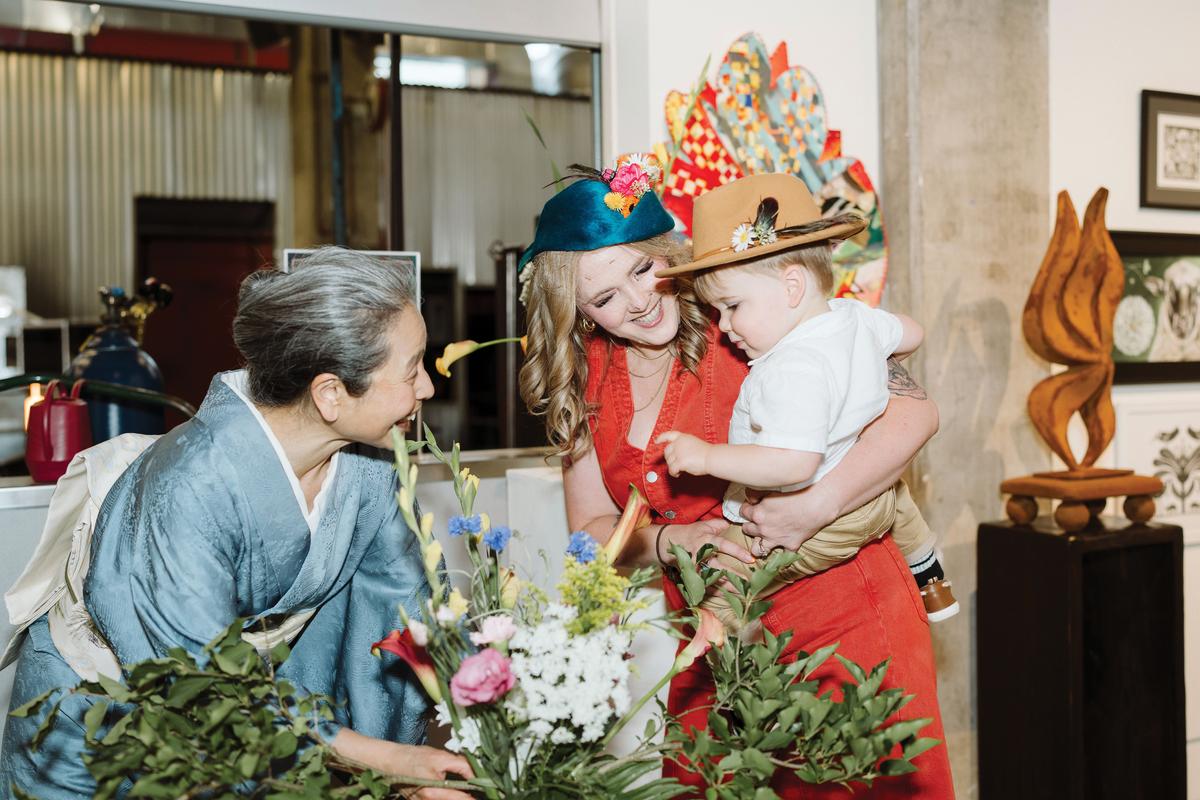
In little more than a decade, Cascadia Art Museum has featured 50 exhibits dedicated to lesser known, but highly influential Northwest artists. The museum is also the region’s top publisher of academic books on Northwest artists. Museum curator David Martin has published nine of these books, with the latest being on the groundbreaking Seattle Camera Club.
“The books are a great way to help establish these artists and share their history,” said Kaemmerlen. “It ensures their story is heard and learned and passed through generations.”
Cascadia’s thoughtfulness toward art education extends beyond its exhibits with programs that create space for artists, children, and people with dementia.
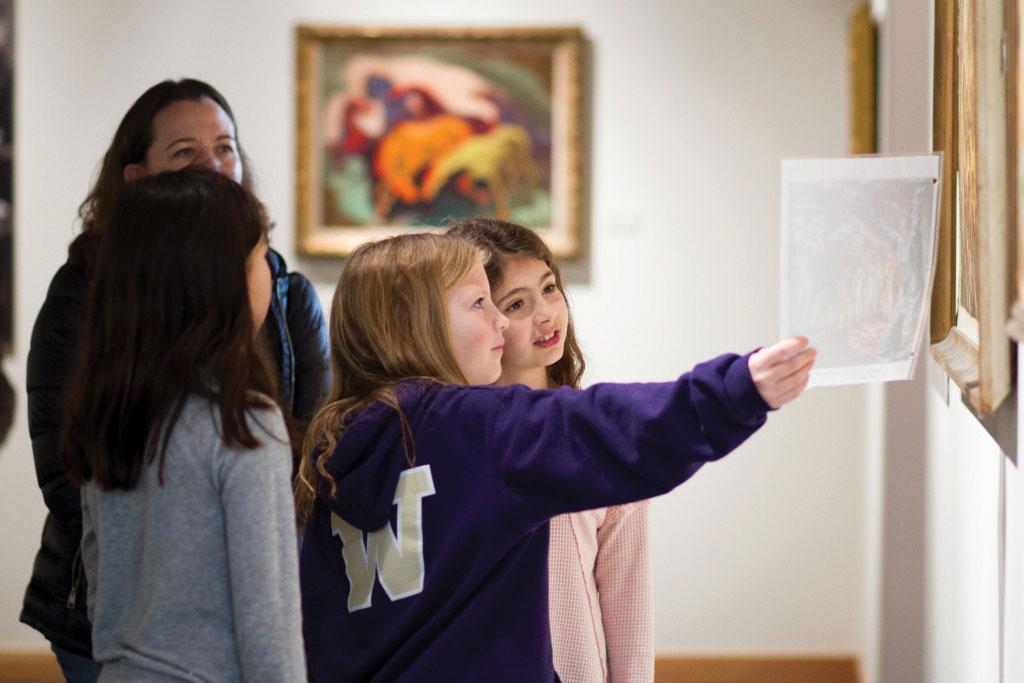
The Cascadia Art for Schools program offers K-8 students and their teachers access to the gallery. The museum also provides transportation and hosted more than 1,700 students last year.
The museum also features a local contemporary artist each month. The featured artist gets their work promoted in the museum store, and they do an in-house creative demonstration in conjunction with the monthly Edmonds Art Walk.
Another unique and free program happening at Cascadia is Artful Moments—a self-guided museum visit for people with dementia and their caregivers.
“Every month, we close the museum to the general public for a couple hours to create a quiet, peaceful, and safe environment for this group to enjoy and explore art together,” said Kaemmerlen.
All these programs and more are kept afloat by the museum’s dedicated staff and more than 100 volunteers.
“We have such a passionate group of ambassadors that help in the museum store, give tours, and monitor the galleries,” said Kaemmerlen. “We are so lucky to have them all in service of the arts.”