Beyond the Backyard
Beyond the Backyard
Snohomish County offers a rich tapestry of ecosystems, from the Snohomish River’s estuaries to the shores of Jetty Island, including harbor seals, river otters, and a variety of bird species.
In appreciation of local ecosystems
BY RICHARD PORTER FOR SEATTLE NORTHCOUNTRY
Are you ever amazed by nature… in your own backyard?
If you’ve ever lived in the Pacific Northwest, you likely know what I’m talking about. Even when I’m doing laundry, I can see Mount Pilchuck peeking over the fence, transforming my mundane domestic task into a mini moment of rapture. A little Zen snack for the senses.
It’s no secret that we live in an incredible place. What’s perhaps most remarkable is how biodiverse our region is.
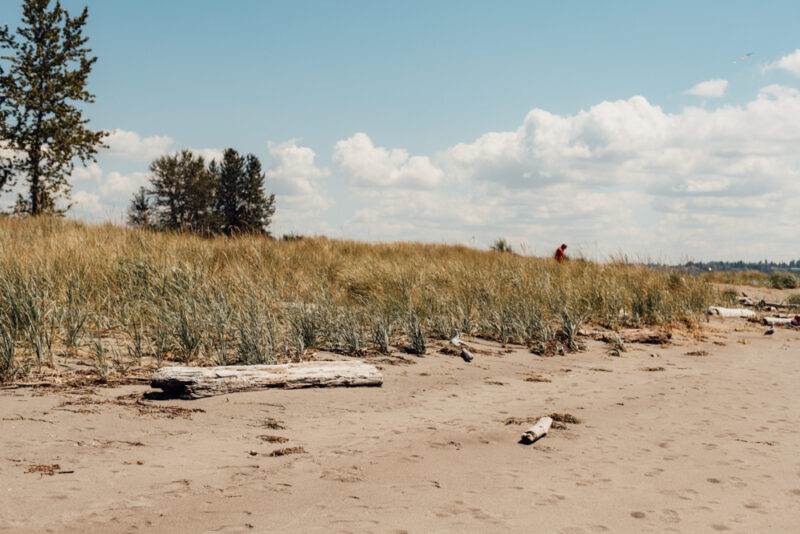
Snohomish County comprises several ecosystems; if you travel westward on Highway 2 you will encounter mountains, forests, river valleys, and an estuary before arriving at the Salish Sea.
Let’s foray into nature right in our own backyard and let’s do it from the perspective of creatures living within nature, sharing it with the other plant and animal species who call this planet home.
If you have a curious mind, you can take it to the next level with a citizen science app like iNaturalist to help document local plant and animal populations you encounter.
Friendly reminder: please be responsible in these environments and always tread lightly.
The article continues below.

SECRETIVE SPECIES OF THE SNOHOMISH RIVER
Drop a kayak into the Snohomish River and you’ll likely drift close to a variety of aquatic friends. I’ve encountered harbor seals in the river east of Lowell, cavorting river otters on the banks, and pterodactyl-like great blue herons striking austere poses in the shallows.
Walk the ADA-compliant Bay Wood Nature Trail in Everett and you’ll find the tangled forms of osprey nests perched atop pilings. This is a beautiful example of local raptors rewilding a former industrial site where a sawmill once stood.
Tidal Treasure Troves
Are estuaries underrated?
From darting swifts to incredible views of Mount Pilchuck framed by horsetails and reedy grasses, the estuaries of the Snohomish River are a muddy adventure. Walk the interpretive path at Langus Park to Spencer Island and you’ll encounter a variety of ducks as well as bald eagles brooding on old snags. The slow-filling tidal pools here offer strange mirror-worlds that reflect the sky. No wonder some early peoples revered bogs as portals into spirit realms.
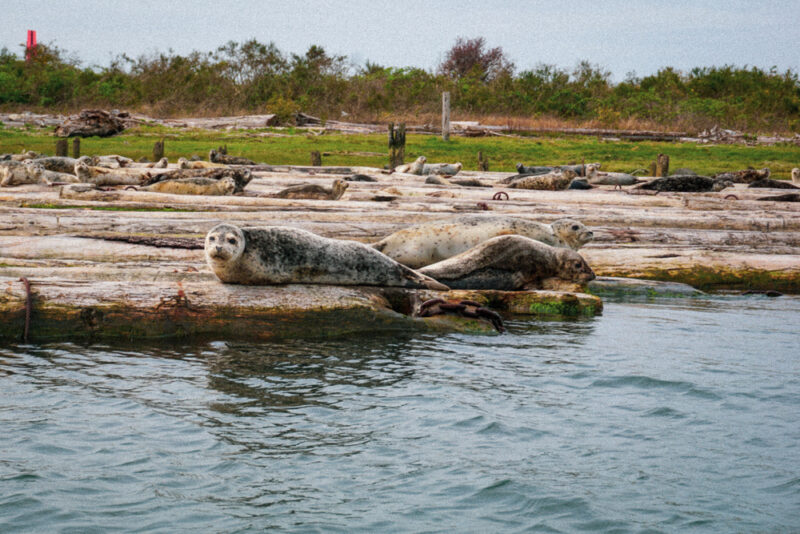
I value Spencer Island, a county park, for its amazing (and, yes, invasive) summertime blackberries. Langus, a city park, is home to a colony of harbor seals; they favor the floating logs next to the boat launch.
Keep your eyes peeled for sandpipers scuttling along the muddy banks of the Snohomish.
Maritime Magic
The estuary empties into the sea at the mouth of the Snohomish River. Ghost shrimp burrow in the sand at this confluence of salt and fresh waters. These spectral crustaceans are a favorite treat for the grey whales that travel from Mexico en route to Alaska. If you have a keen eye, you may be able to glimpse a grey whale from the shores of Everett during their migratory season.
Jetty Island is a manmade creation, a two-mile isle comprised of dredged sand. It’s home to another colony of harbor seals and occasionally you can catch a lone California sea lion bellowing while balanced on a buoy. Peruse the shores of Jetty Island to witness dozens of varieties of migratory birds. Or harvest rose hips in season. Take care to process these little red fruits: they make a fine jam but have to be properly processed to avoid a sickened gut.
Wonderland of Woodsy Wilds
Once upon a time, not so long ago, Everett was mostly covered in forest. A healthy number of trees remain on the peninsula today, despite the timber-hungry mills that used to ring the city.
Forest Park and Japanese Gulch offer fine examples of unspoiled woodlands in the Everett area, filled as they are with towering cedar, spruce, and hemlocks. Few people today, I gather, know that there are forested walking trails in Forest Park. You can find the trailheads near the playground.
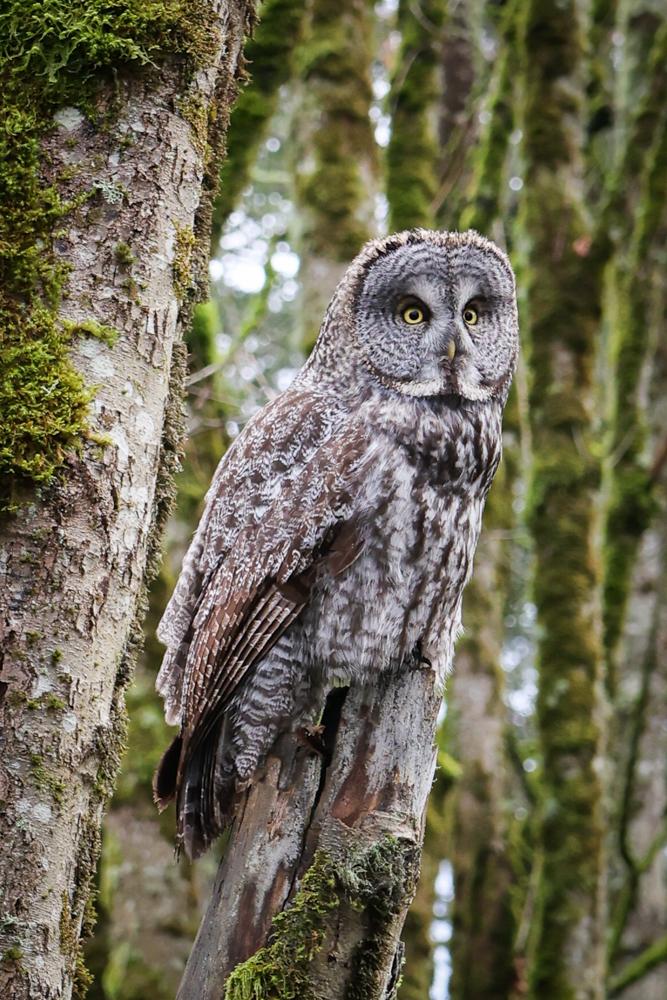
Japanese Gulch also offers a network of trails in a forested gulch. The local history of the gulch is fascinating and has been well documented elsewhere (try a Google search). To walk in these woods at dusk is to feel like you’re among the ghosts of Japanese American workers from yesteryear.
Montane Nomenclature
Take in the panorama of peaks seen from the vantage point of Everett. It’s a lot to behold. One of my favorite experiences is driving east on 41st Street and being struck by a view of the mountains that line the eastern horizon. A freeway onramp shouldn’t be so breathtaking, you know?
Most prominent on the skyline is Mount Pilchuck, front and center. “Pilchuck” is from the indigenous language Lushootseed. It means “red water,” a reference to the rusty color of local rivers and streams.
Pilchuck is a rare example of a mountain that retains its indigenous name. To the south, you can glimpse Tahoma (today commonly known as Rainier) and behold to the north the ever-white snowy dome of Koma Kulshan (Mount Baker).
Mount Index is so named because it resembles a finger pointing to the sky.
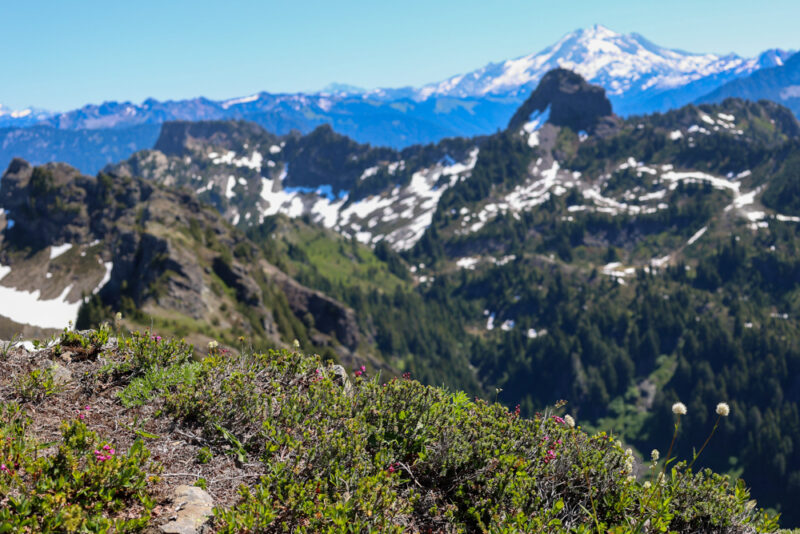
Our county’s tallest mountain is well hidden unless you venture into the backcountry or catch it from the right vantage point. Glacier Peak, a volcano, is a rare mountain in that it’s named for its geological attributes.
My two favorite mountain names belong to peaks to the north: Mount Terror and Forbidden Peak. But then again, I’d be remiss if I didn’t throw in Desolation Peak as a finalist, too.
When it comes to montane nomenclature, we have an embarrassment of riches to work with.
Did you like the tour? And you didn’t even have to leave the couch!
Enjoy the world around you by bringing your curiosity with you as you travel through our city and surrounding environs.
Document what you see with a camera, notebook, or smartphone app.
Enjoy your ecosystems as an act of stewardship. To love something is often the first step in advocating for its well being and preservation. In a world of environmental degradation, perhaps the most human thing we can do right now is remember that we’re animals after all