
Let’s Put on a Show
Let’s Put on a Show
From the shared spark of a live audience to the lasting impact of music, theater, comedy and community arts, discover why in-the-moment performance resonates so deeply. This guide explores the connection, laughter and inspiration live events can foster, the benefits for children and adults, and Snohomish County venues where you can watch a show—or step into the spotlight yourself.
Why we love them, where to find them and how to get involved
By Jeffrey Totey
So, you’re watching one of your favorite TV shows on a streaming service. When the show aired originally, it was recorded live. Now imagine watching that same TV show in real time. Which experience was more enjoyable? I’m guessing you said the latter and there is a reason for that.
Earlier this year a study involving a group of 3,500 participants found that when they were watching a live performance, they enjoyed the performance more. According to Stage and Cinema, these people felt more connected to the experience. When this group watched content that was labeled “pre-recorded,” they didn’t enjoy the content as much.
The researchers call this a “liveness lift.”
“The content didn’t change. The perception of liveness did,” says Susan Hall. “Our brains assign more value to moments we believe are unfolding right now. There’s a fragility to live performance, an awareness that anything could happen, and that vulnerability is part of the magic.”
The Power of an Audience
I love watching movies, but there is just something unique watching a play performed live. Even though you are surrounded by strangers you still experience the presentation together. The comedic lines are funnier, the dramatic pauses are more effective, and you might even be on the lookout for mistakes knowing that whatever wrong happens, the show must go on.
Those sensations go both ways. As a former community theater actor, I can attest that the more engaged the audience is with the performance, the better that performance will be.
Another study conducted by researchers at University at Buffalo found that attending live music concerts can have lasting effects that can affect your mood long after you’ve left the venue.
The study, which was reported last February, offers insights that suggest that these effects “are not derived entirely from what the musicians give to the audience, but also what the audience unwittingly shares amongst themselves,” says Bert Gambini. “This is collective effervescence, and it has an important role in concert settings.”
What is collective effervescence? Gambini says it’s a “sense of connection to others,” and a “sensation of sacredness” that is felt among those in the audience enjoying the same shared experience.
“It builds off our need as social beings to be connected to others and to be connected to something perhaps larger than our day-to-day lives,” adds Nicole Koefler, a doctoral candidate at the university’s UB psychology department.
Laughter Really Can be the Best Medicine
Glenn Rockowitz is a former local comedian (and Saturday Night Live writer), but he didn’t always find the funny during his four stints of fighting cancer. Today he serves as Director of Support Services at Cancer Pathways, and he still believes in the healing powers of laughter.
When I asked him about his observations, he said, “One thing I noticed after years of performing was that people almost never talked to me afterward about a specific joke. They talked about how they felt. I think people don’t remember every joke. They remember how they felt when they walked out.”
“Live performance creates something that’s hard to replicate anywhere else,” he continued. “I think for a little while, a room full of strangers becomes a community. People laugh together, react together, and leave feeling a little less alone.”
It might be easy to conclude that by attending a live performance, one is only enjoying a momentary distraction, but it goes deeper than that.
“After my own cancer diagnosis, those conversations took on a different meaning. People would wait after shows to tell me about their own cancer, a loved one’s illness, or a recent loss. The laughter hadn’t erased any of that. It had simply made it easier to talk about. That’s something I’ve come to believe deeply – laughter doesn’t erase suffering; it loosens its grip.”
The article continues below.

Inspiration from the Stage
Pacific Northwest Stunt Performer and comedian Matt Baker has appeared on TV on “America’s Got Talent” and some late night talk shows. But for a guy who can catch a bowling ball with his face, he can get surprisingly sentimental. In a recent conversation he told me, “As a professional performer, I hear many kind comments after a show, but the ones that stay with me are when someone explains how the performance truly affected them.”
“Just last week, a man told me he had brought a friend who had lost his wife two months earlier. He said, ‘I haven’t seen him laugh like that in a very long time. Thank you for giving him a reprieve from what he’s been going through’.”

“Moments like that remind me why live performance matters. For a little while, people can step away from their daily struggles, share an experience with others, and enter a world filled with laughter, wonder, or possibility.”
Sometimes Baker’s shows inspire his audiences to take the leap and try performing themselves. Baker has just authored a book, “The Academy of Unusual Skills,” which teaches readers over 100 silly tricks.
“I’ve also had people tell me my shows inspired them to take an improv class, try stand-up comedy, or even become professional performers themselves.”
Sometimes the best medicine is to just get busy.
Not for Adults Only
This probably goes without saying, but children can benefit from live performances just as much as their parents. And yet, it is so tempting to plop them in front of the TV to keep them busy while we attend to something else.
“Unlike passive digital media, live performances such as theater, storytelling, music, puppetry, and magic shows create an interactive and immersive experience that enhances children’s attention span, emotional intelligence, memory retention, and problem-solving skills,” says Phevenos Kytas from Whitneyfox Medium.
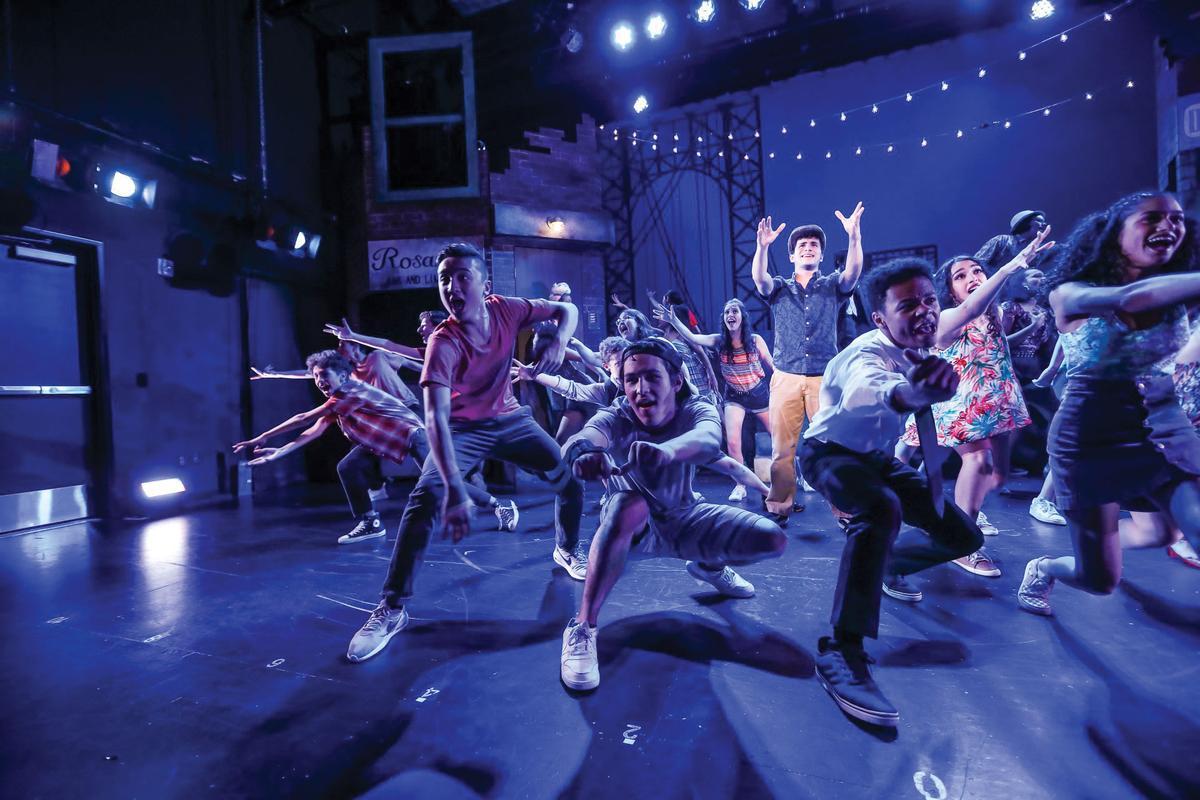
According to the author, live performances can help with:
- Enhancing attention and focus
- Developing empathy, self-awareness and emotional regulation
- Stress relief and psychological well-being
- Strengthening problem-solving and critical thinking skills
- Enhancing memory and learning
- Language development and verbal expression
- Encouraging imaginative thinking
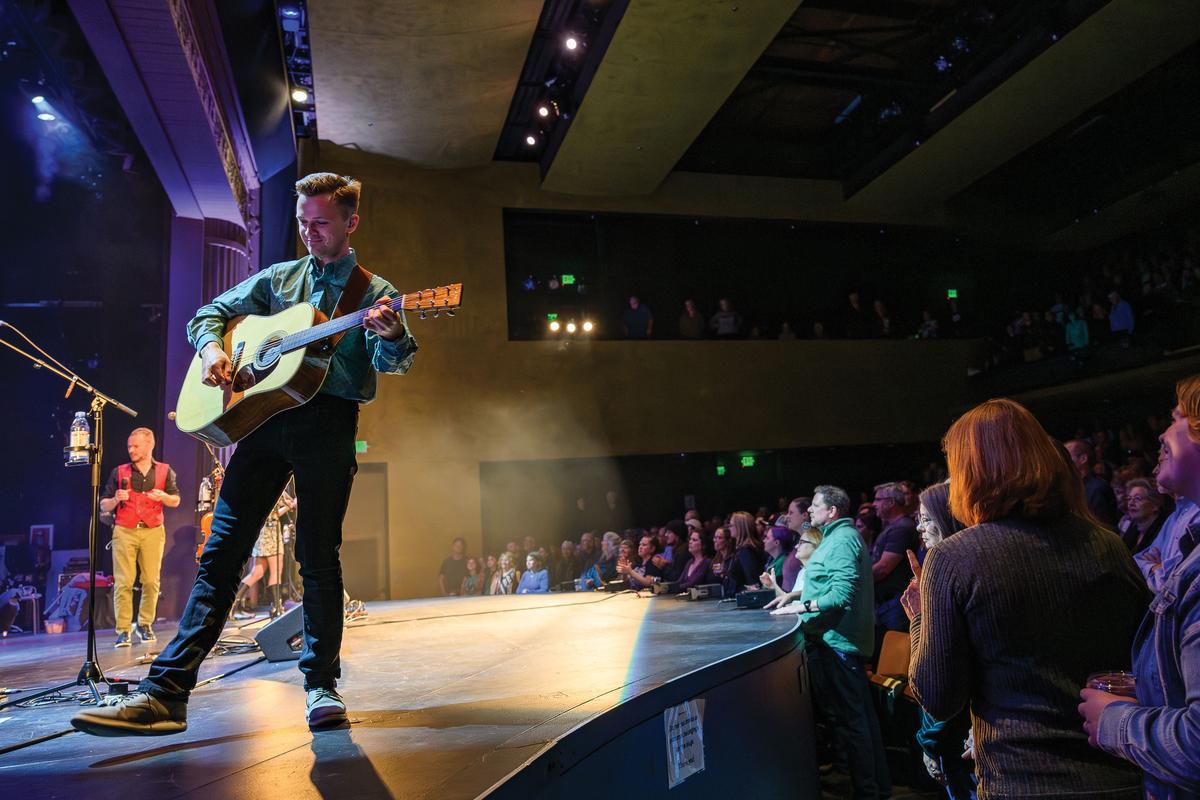
Soothing the Beast Within
William Congreve wrote “Music has charms to soothe a savage breast.” The adage describes music’s calming effect on anger or difficult emotions. In fact, all forms of art can foster positive changes in our lives.
The term “NeuroArts” refers to studies that measure how the arts can help change one’s brain and behavior and improve one’s health, well-being and quality of life.
Cat Martin, a representative for Allen Family Philanthropies reports of a recently funded joint study by Johns Hopkins University’s International Arts + Mind Lab and Seattle’s Path with Art. The study measured the impact of community-based arts programming on mental health, and the results are very promising.
The participants attended online and in-person classes for two months. They were given a choice of classes that were centered on different artistic disciplines such as dance, choir, theater, visual arts and more.
The attendees came from all walks of life, but they shared similar backgrounds. All were in active recovery from one or more traumatic experiences or conditions such as homelessness, domestic abuse, mental health challenges or substance use disorders.
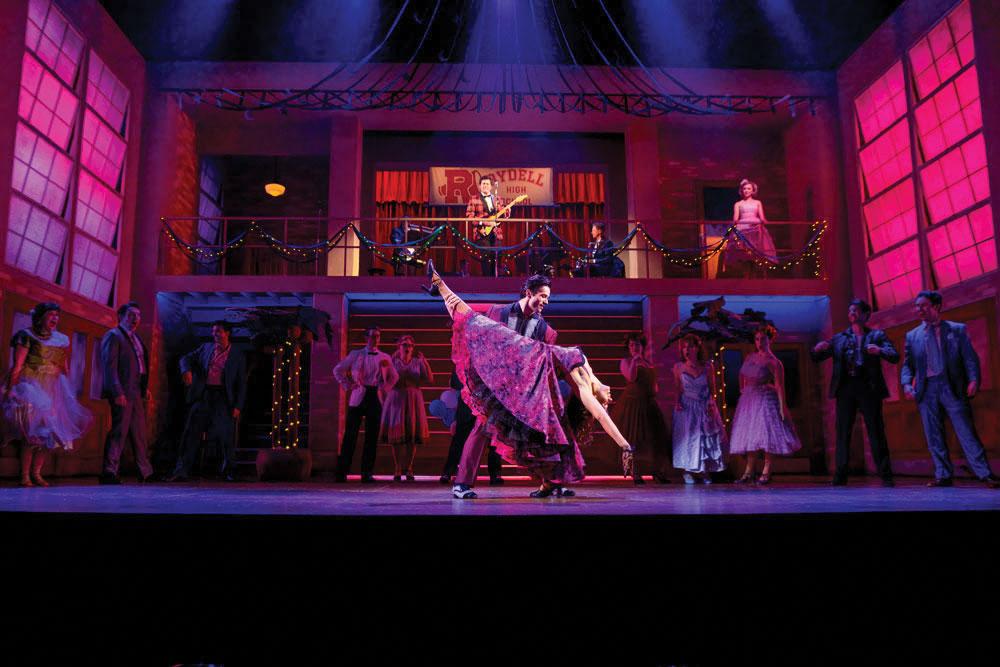
The surveys conducted before and after the classes showed that:
- More than 90% of the participants said that the programs increased their self-efficacy (or their belief that they had the ability to accomplish their goals).
- Nearly 90% reported improvements in their mental health.
- More than 80% said they felt less lonely since engaging in the eight-week session.
- 69% said they had made new friends, which suggests they have made improvements in social connection.
“We are SO lucky to have [Path with Art] in our state leading the national movement for neuroarts,” says Martin.
Actively engaging with the very many forms of art in our region helps us all stay heal, grow and connect in community.Φ
Where to Go Now?
If you’re ready to dip your toes into the artistic waters, we know of a few places that can help you on your journey. Snohomish County has become a thriving arts community with places to watch performances or become a performer yourself!
Best Places in Snohomish County to Watch a Show
Angel of the Winds Arena
2000 Hewitt Ave., Everett
AngelOfTheWindsArena.com
Home of high energy concerts and family shows.
APEX Everett
1611 Everett Ave., Everett | ApexEverett.com
The beautifully restored venue is home to the elevated 16Eleven Restaurant, El Cid Cocktail Lounge and King’s Hall concert hall.
Driftwood Players (Wade James Theatre)
950 Main St., Edmonds
EdmondsDriftwoodPlayers.org
Driftwood Players have been putting on community theatre shows since 1958.
Edmonds Center for the Arts
410 4th Ave. N., Edmonds
EdmondsCenterForTheArts.org
Large venue where you’ll find concerts, jewel-box theater presentations, ballet, etc.
New Everett Theater
2911 Colby Ave., Everett | EverettTheater.org
The 124-year old theater is just coming off a huge remodel and reopening on September 12th. A great place for stand-up comedy and tribute bands.
The Attic Theatre
14654 148th Ave NE Sammamish Valley Grange
Woodinville, WA | TheAtticTheatre.org
A community theatre and platform for diverse voices and stories to be heard. Wonderful performances challenge and inspire audiences with thought-provoking and innovative performances.
Tim Noah Thumbnail Theatre
1211 4th St., Snohomish | ThumbnailTheater.org
The “cozy home for performing arts” offers family-friendly open-mic events and concerts.
Village Theatre (Everett Performing Arts Center)
2710 Wetmore Ave., Everett | VillageTheatre.org
A leading producer of excellent productions of musical theatre since 1979.