

How Economic Development Creates Healthy Communities
How Economic Development Creates Healthy Communities
Economic Alliance Snohomish County outlines how its role as the county’s Associate Development Organization connects state resources, local businesses and regional priorities. Through advocacy, partnerships and a strategy spanning education, housing, transportation and investment, the Alliance works to support workforce growth, key industries and emerging innovation while strengthening Snohomish County’s long-term economic health.
By Pablo Colindres Moreno for Economic Alliance Snohomish County
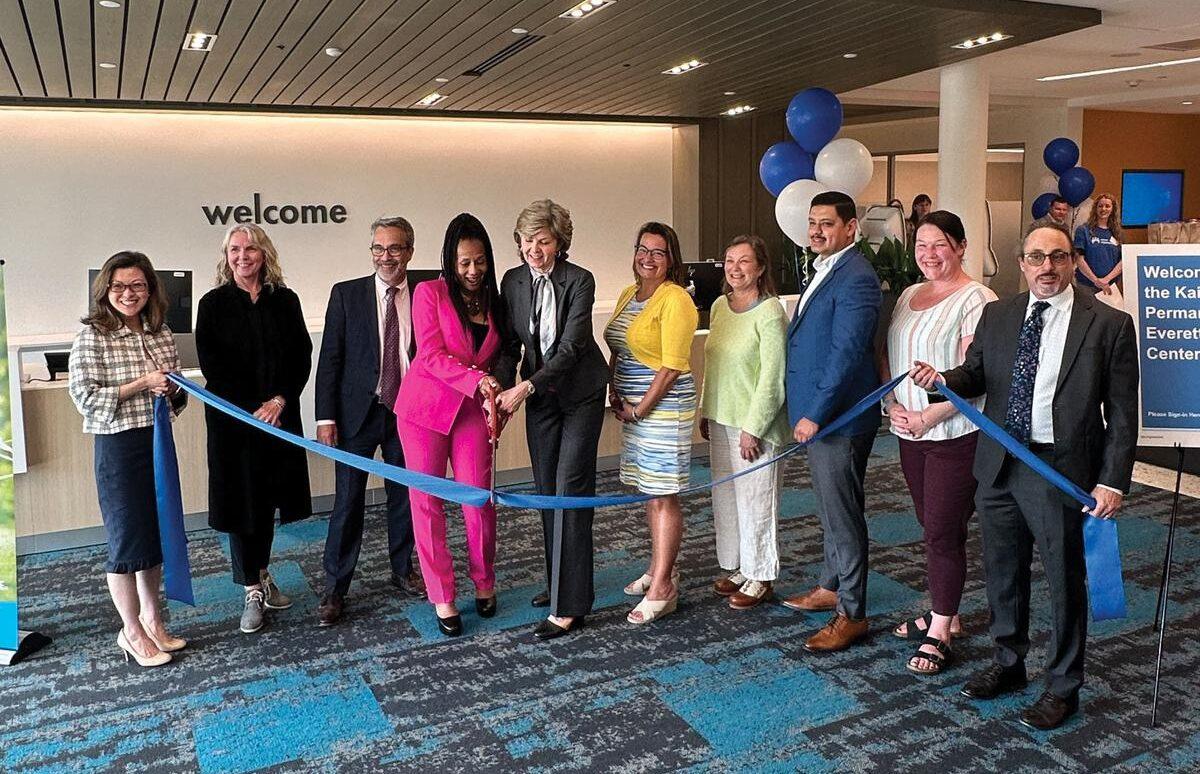
The Washington Department of Commerce asserts this thesis in their page dedicated to economic development:
“Creating a prosperous, sustainable economy goes hand in hand with building world-class communities.”
At Economic Alliance Snohomish County (EASC), we happen to believe in that thesis rather strongly. For us, a sustainable economy and vibrant community in Snohomish County are the vital signs that measure our region’s overall health.
As the Associate Development Organization (ADO) for the county, we were designated by Commerce to be Snohomish County’s primary care provider, so to speak.
Washington’s 39 counties are each represented by an ADO that champions each region’s economic development goals. Since 2011, EASC has been our county’s ADO. It began in 1985, when the Economic Development Council of Snohomish County was first designated as ADO following then Governor Booth Gardner’s “Team Washington” initiative.
EASC formed after “Project Concentrus” merged the EDC with the Everett Chamber and South Snohomish Chamber of Commerce, with the stated goal of unifying Snohomish County’s business voice. “Critically, the ADO designation passed from the EDC to EASC without a single day of interruption,” said Ray Stephanson, EASC President & CEO.
Throughout the past 40-plus years, EASC’s work has remained generally straightforward: collaborating with our county’s stakeholders to retain and grow existing businesses, recruit new players to our region and presenting the county’s unified voice in Olympia and DC through effective advocacy.

“We are a public-private economic development organization with a specific county-wide mission,” said Daniel Tappana, director of economic development at EASC. “The ADO designation isn’t just a bureaucratic detail. It’s what makes EASC the official conduit between state resources and local businesses.”
The article continues below.

This work is what helps create the ideal environment for our region’s health to remain strong. Like any health and well-being plan set up by your health care provider, our region’s vital signs only strengthen and improve with a strategy that uplifts a region’s quality of life so that the people who drive growth and innovation — today and in the future — will stick around. “What happens if Snohomish County doesn’t have a plan?” asks Tappana. “It’s not a rhetorical question. The honest answer is someone else wins.”
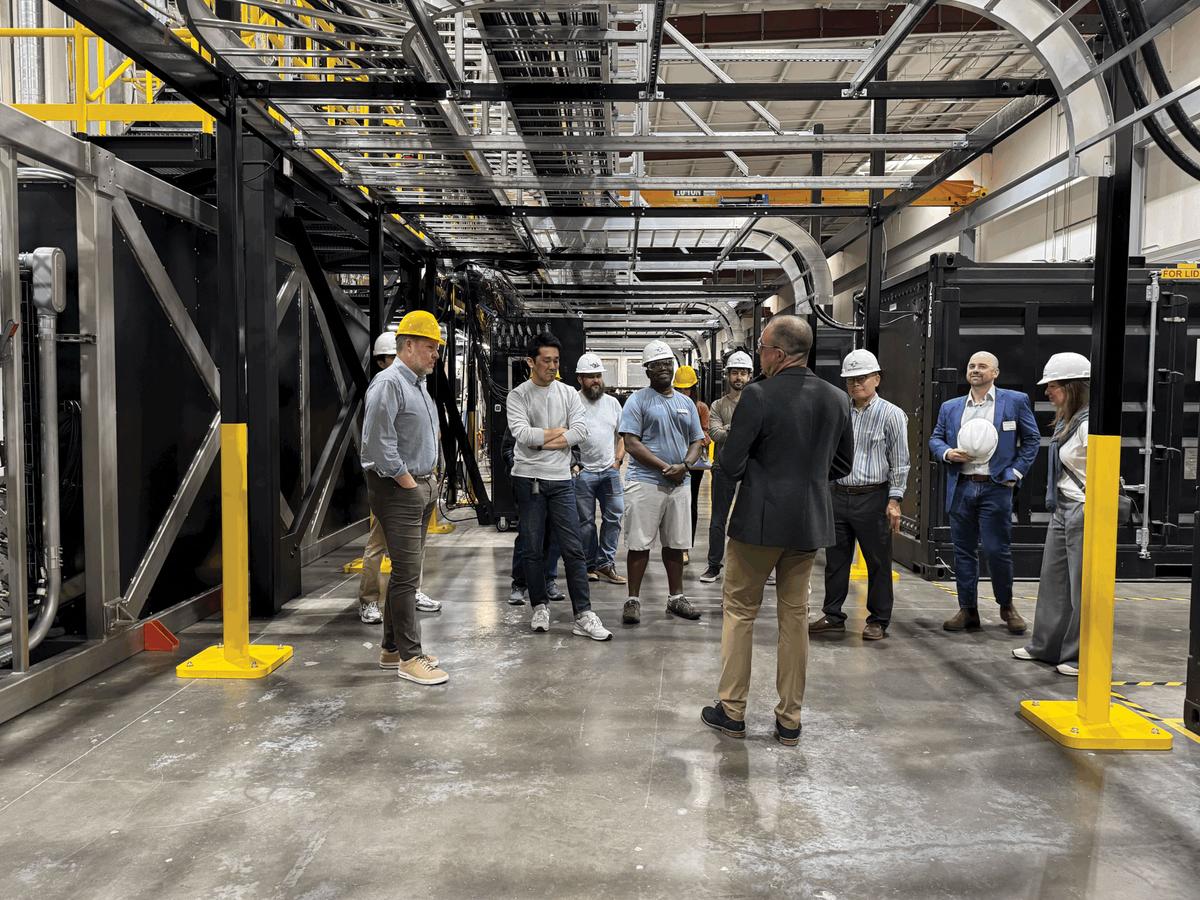
Through a unified economic development strategy, the Alliance, the county, and each individual municipality and business is critical to maximizing the assets we have.
The nearly 850,000 residents in our county comprise one of the most sought-after experienced workforces in the world. With the right partnerships and a strategy that includes education, housing, transportation and business policies that incentivize local investment, we can ensure that the workforce pipeline can continue to feed the innovation that builds the future, right here in our region.
In 2025, the Alliance and their partners were critical to over $287 million in direct economic impact, including strategic wins in our key industries, small business activation, government contracting assistance and education.
Economic development means taking advantage of what we have, and building on it to create a sustainable, impactful future. Jobs, education, growth and investment into our communities are what have built the unique environment Snohomish County enjoys today.
As the future begins to take shape, and we see emerging industries grow in our backyard in the form of advanced manufacturing, quantum computing, alternative energy and much more, we can appreciate the economic development work happening to ensure Snohomish County is the premier place for businesses to innovate and a community people will want to work and live in — a healthy, world-class region.
“Snohomish County has extraordinary assets,” concluded Stephanson. “We have Boeing and its supply chain. We have the Port of Everett and Naval Station Everett. We have four-year universities, community colleges, a growing innovation economy and a community of people who genuinely want to see the region succeed.” Φ